
Mastering SEO: A Standard Operating Procedure (SOP) for Success


Introduction:
In the ever-evolving world of digital marketing, search engine optimization (SEO) plays a vital role in improving website visibility and driving organic traffic. To achieve consistent results and stay ahead of the competition, it’s essential to establish a well-defined Standard Operating Procedure (SOP) for SEO. This blog post will outline a comprehensive SOP that can be a foundation for optimizing your website and achieving SEO success.
Keyword Research:
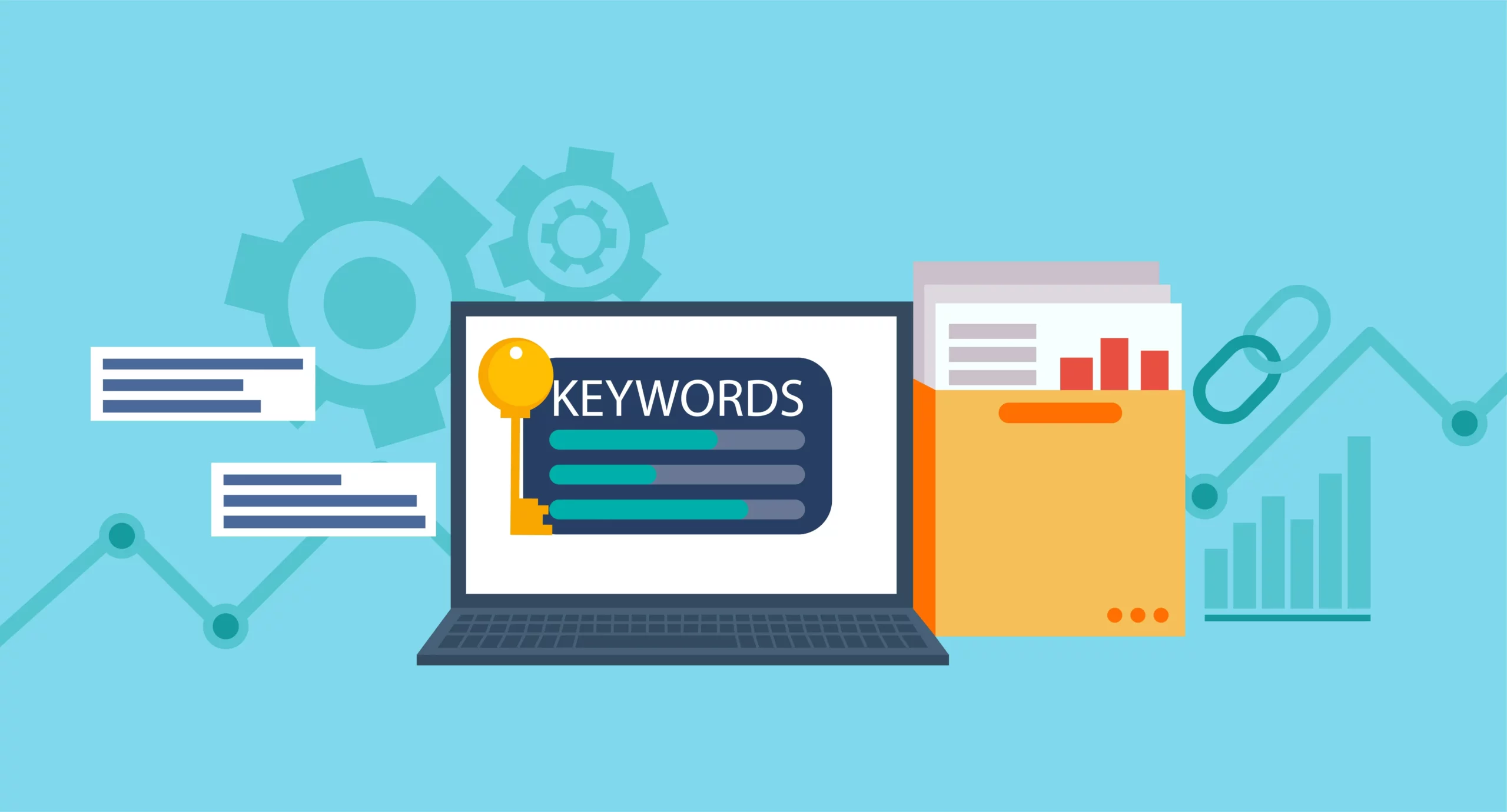
- Utilize keyword research tools to identify relevant keywords and phrases.
- Focus on keywords with high search volume and low competition.
- Create a keyword list for each targeted page or section of the website.
If you want to get more information regarding keyword research read our blog: Keyword Research SOP: Unlocking the Power of Targeted Keywords
On-Page Optimization
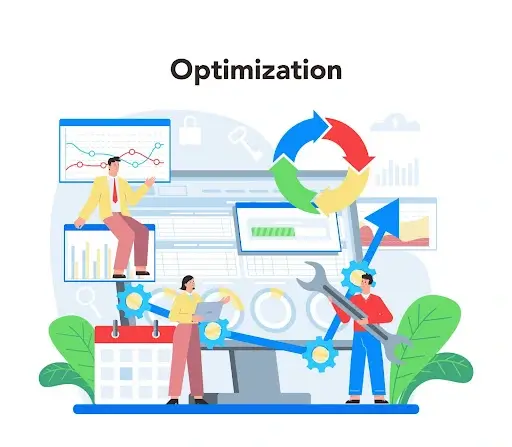
- Optimize page titles, meta descriptions, headings, and URLs with target keywords.
- Ensure keyword placement within the content is natural and relevant.
- Utilize structured data markup and improve page load speed.
If want to get more information regarding on-page optimization read our blog: On-Page Optimization SOP: Enhancing Your Website’s Visibility and User Experience
Content Creation and Optimization

- Develop a content strategy aligned with target keywords and user intent.
- Create high-quality, engaging, and informative content.
- Optimize content with relevant keywords, headers, and internal/external links.
- Creating the article feature image.
- Finding and inserting images in the blog content
- Compressing images that are too big
- Adding meta descriptions to the article
If you want to explore yourself with content creation and optimization read our blog: Content Creation and Optimization SOP: Crafting Engaging and SEO-Friendly Content
Technical SEO
- Conduct regular website audits to identify and fix technical issues.
- Optimize website architecture, navigation, and internal linking structure.
- Ensure proper implementation of XML sitemaps, robots.txt, and canonical tags.
If you want to get more information related to technical SEO please read our blog: Technical SEO SOP: Enhancing Website Performance and Search Visibility
Off-Page Optimization

- Build high-quality backlinks through guest blogging, influencer partnerships, and social media promotion.
- Monitor and disavow toxic or spammy backlinks.
- Engage in online PR and outreach to gain mentions and links.
If you want to read more about off-page optimization, please visit our blog:Off-Page Optimization SOP: Building Authority and Driving Quality Backlinks
Local SEO (If Applicable)
- Optimize for local keywords and directories.
- Create and optimize a Google My Business listing.
- Encourage customer reviews and respond to them.
To get more information related to local SEO visit our blog: Local SEO SOP: Dominating Local Search Results and Attracting Local Customers
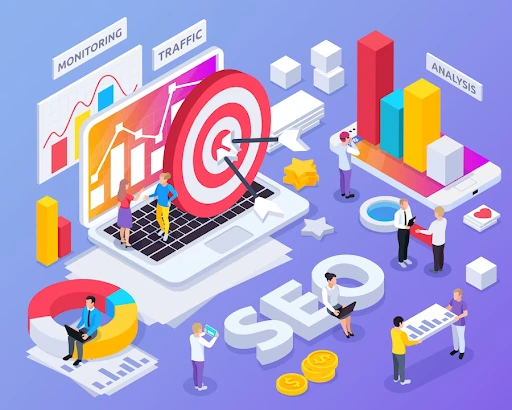
- Set up Google Analytics and other relevant tools to track website performance.
- Monitor organic traffic, keyword rankings, and conversion rates.
- Generate regular reports to analyze progress and identify areas for improvement.
To know more about SEO analytics and reporting explore our blog: SEO Analytics and Reporting SOP: Measuring and Optimizing Performance
Ongoing Optimization
- Stay updated with the latest SEO trends and algorithm changes.
- Continuously monitor and adjust SEO strategies as needed.
- Conduct regular competitor analysis and keyword research.
To get more information about ongoing optimization for SEO, kindly reach out to our blog: Ongoing Optimization SOP: Driving Continuous Improvement in SEO
Conclusion
By implementing a standardized SEO SOP, you can streamline your optimization efforts and achieve long-term success in search engine rankings. Remember, SEO is an ongoing process requiring continuous monitoring, analysis, and adaptation. Embrace the SOP as a framework, and customize it based on your specific goals and industry landscape. With a solid SOP in place, you’ll be well-equipped to navigate the complexities of SEO and drive organic growth for your website.